When creating custom badges and keychains, one fundamental question arises: What materials are best for long-lasting custom badges and keychains? The durability of these items relies significantly on the choice of materials. Selecting the right materials ensures that they withstand wear and tear while retaining their aesthetic appeal over time.
Plastic, metal, and wood are popular options. Each has distinct features. Plastic badges are lightweight and versatile. Metal provides a premium feel and excellent durability. Wood offers a unique, rustic charm but may require more maintenance. Understanding these materials is crucial for crafting effective promotional items.
Reflecting on your choice matters. Not all materials are created equal in terms of longevity and appearance. Sometimes, budget constraints might lead to compromises, affecting quality. It’s essential to balance cost and durability for effective outcomes. Choosing wisely shapes not just the product but also the brand image.
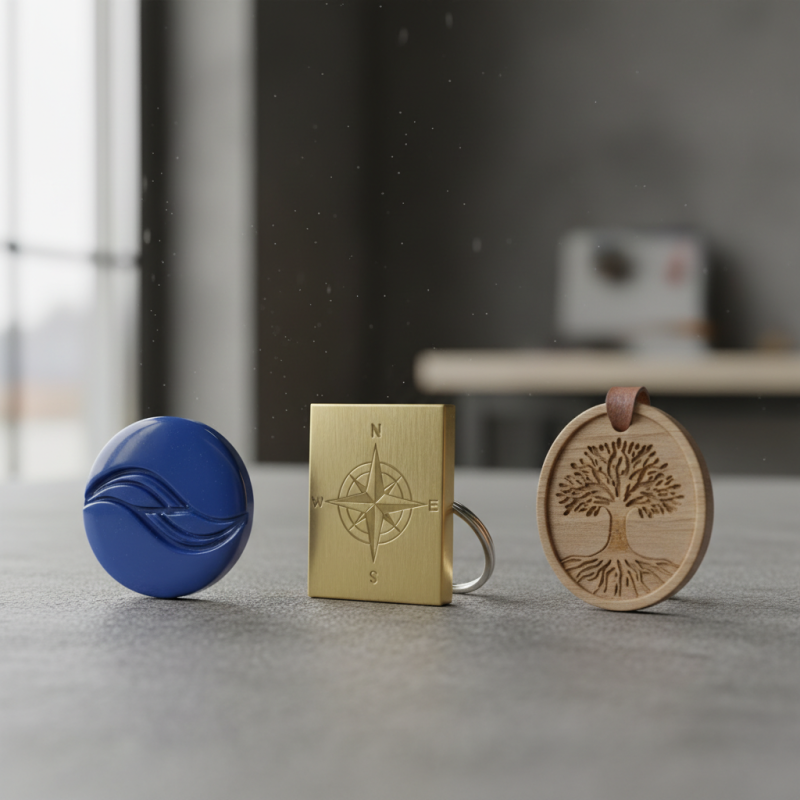
Custom badges and keychains serve as popular promotional items for businesses and events. They offer a way to express identity and build community. The versatility in design allows organizations to showcase their brand. Creating unique pieces can foster loyalty and attract attention. However, the choice of materials significantly impacts durability and appearance.
Common materials include metal, plastic, and even wood. Metal badges are robust and often carry a professional look. Plastic badges offer a lightweight option, suitable for large events. Wooden keychains add an eco-friendly touch but require careful construction. Each material has strengths and weaknesses that should be evaluated.
Revisiting designs can also enhance effectiveness. Sometimes, initial concepts may not convey the intended message. It’s essential to seek feedback on prototypes. Creating samples can help visualize the final product. The goal is to ensure both aesthetics and function. Custom badges and keychains should represent the values of the brand effectively.
When choosing materials for custom badges and keychains, durability is essential. The right material can greatly impact the lifespan and functionality of these items. Common choices include metal, plastic, and wood. Each offers different advantages depending on usage.
Metal badges are often favored for their resistance to wear and fading. They endure heat and moisture well. However, they can be heavier than other options. Plastic badges provide a lightweight alternative. They can be customized in various colors. Yet, they may fade over time under sunlight.
Wooden keychains have a unique aesthetic. They can be eco-friendly too. But, they might splinter or warp when exposed to moisture. Reflecting on these materials reveals moments of oversight in durability testing. This highlights the need for thorough material selection processes. The right choices ensure that the final products not only look great but also stand the test of time.
When considering durable custom badges, the choice of materials is crucial. Common materials include plastic, metal, and wood. Each offers unique benefits for durability and aesthetics. According to recent industry reports, plastic badges, especially acrylic, make up nearly 40% of the market due to their lightweight nature and resistance to fading. On the other hand, metal badges, such as brass or aluminum, are favored for their sturdiness.
Wood is another option gaining traction. Eco-friendly and visually appealing, wood badges can create a unique look. However, they may require considerate care. Research indicates that nearly 30% of consumers prefer the natural feel of wood. It’s vital to note that while these materials are widely used, they all have limitations. For example, metal badges can corrode if not treated properly, and plastic can become brittle over time.
Durability often relies on manufacturing processes too. Techniques like UV printing or laser engraving enhance visual appeal and longevity. However, not all vendors employ advanced techniques. The lack of industry standards can lead to variations in quality. It’s important to scrutinize the sourcing and manufacturing methods used. This attention to detail can significantly impact the lifespan of custom badges and keychains.
When creating custom keychains, choosing the right material is essential for durability. Common materials include metal, plastic, and wood. Each offers unique benefits and drawbacks, affecting the longevity of your keychain.
Metal keychains are sturdy and resistant to wear. They often have a premium feel. However, they can be heavier than other options. This weight may not be ideal for everyone. Plastic keychains are lightweight and come in various colors. They are affordable but may not withstand heavy use. Regular exposure to sunlight can fade their colors over time.
Wooden keychains bring a natural aesthetic. They are biodegradable and eco-friendly. Yet, wood can split or wear down with moisture exposure. It needs proper care to maintain its appearance. Each material has its own trade-offs. Understanding these details can help in making the right choice for durability.
| Material | Durability | Weight | Cost | Finish Options |
|---|---|---|---|---|
| Stainless Steel | High | Medium | High | Brushed, Polished |
| PVC Plastic | Medium | Lightweight | Low | Matte, Glossy |
| Acrylic | Medium | Lightweight | Medium | Transparent, Colored |
| Wood | Medium | Medium | Medium | Natural, Stained |
| Aluminum | High | Lightweight | Medium to High | Anodized, Painted |
When choosing materials for custom badges and keychains, durability and aesthetics are crucial. Metal, acrylic, and wood are popular choices, each with unique properties. Metal offers strength and a polished finish, making it ideal for professional settings. However, it can be heavier and more costly. Acrylic provides vibrant colors and intricate designs but may scratch over time. Lastly, wood brings a natural feel, but its durability depends on the type used.
Tips: Consider your target audience. A corporate event may benefit from sleek metal badges, while a casual gathering could embrace colorful acrylic. Testing materials through prototypes can reveal unexpected issues, like weight or wear.
Ultimately, reflect on your priorities. Are you seeking longevity or visual impact? Custom pieces should align with your overall branding. Understanding these nuances will lead to better material choices and end products that truly resonate.
: They express identity, build community, and showcase organizational values effectively.
Commonly used materials include metal, plastic, and wood, each with unique pros and cons.
Metal badges are durable and professional but heavier. Plastic badges are lightweight but may fade over time.
Wooden keychains have a unique aesthetic and are eco-friendly but require careful maintenance against moisture.
Revisiting designs and seeking feedback can enhance communication of the intended message to the audience.
Durability, appearance, and the intended use of the items should guide material selection for lasting quality.
Yes, gathering feedback helps visualize the final product and ensures it meets both aesthetics and functionality.
Oversights in durability testing and material selection can lead to poor-quality products that don’t last.
Understanding material strengths and weaknesses can prevent costly errors and enhance product longevity and appeal.
When considering what materials are best for long-lasting custom badges and keychains, it is essential to prioritize durability and aesthetics in the selection process. Custom badges and keychains serve not only as functional items but also as significant marketing tools or personal identifiers. The choice of material plays a crucial role in their longevity and visual appeal, ensuring they withstand daily wear and tear.
Common materials used for custom badges include metal, acrylic, and PVC, each offering varying degrees of durability and customization options. For keychains, options like silicone, leather, and stainless steel are frequently chosen for their resilience and style. A comparative analysis of these materials highlights the importance of balancing durability with aesthetic preferences, ultimately guiding individuals and organizations in making informed decisions for creating customized products that last.

TOP Crafts