When exploring the world of crafts, a common question arises: "What is the difference between soft enamel and hard enamel crafts?" This distinction is essential for artists and creators. Both techniques yield beautiful designs, yet their unique properties set them apart.
Soft enamel crafts feature a textured finish. The colors are vibrant and raised, creating a dynamic look. This method allows for intricate details and variations. It is popular for items like badges and pins. However, the softer surface can be more susceptible to damage. Users must consider this when choosing the application.
On the other hand, hard enamel crafts provide a smooth and durable finish. The colors are often uniform and polished, which gives a classic appeal. This technique is ideal for high-end products like jewelry. It requires careful craftsmanship and offers long-lasting quality. Yet, this can lead to higher production costs. Understanding these differences can greatly influence your craft choices and outcomes.
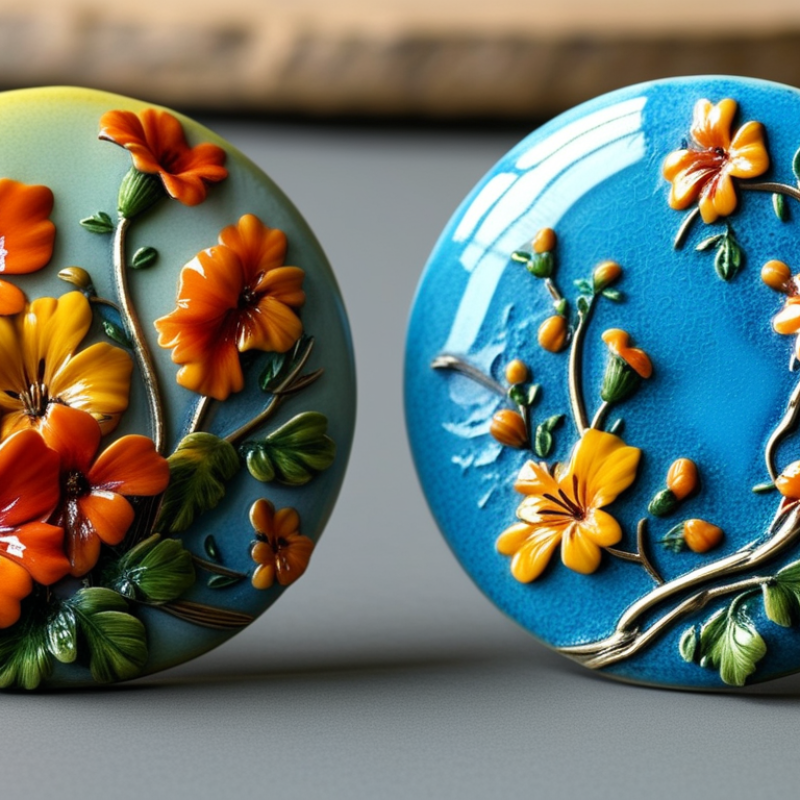
Difference Between Soft Enamel and Hard Enamel in Crafts
Soft enamel and hard enamel are two popular options for crafts, especially for creating pins and badges. Both types differ significantly in texture and appearance. Soft enamel has a raised design. The colors are more vibrant and can create a textured effect. These pieces feel less uniform. They often provide a more rugged look, appealing to some artists.
In contrast, hard enamel offers a smoother finish. The colors are baked into a metal base, leading to a polished look. Hard enamel pieces shine and feel solid to the touch. They are more durable and resistant to scratching. However, achieving this level of durability can make them less unique. The process may overlook creative nuances that soft enamel embraces.
Craft enthusiasts often debate which type suits their needs. Some prefer the aesthetic charm of soft enamel, while others value the sleekness of hard enamel. Experimenting with both can provide insights. Artists may find that specific projects suit one style better than the other. Each method has its strengths and weaknesses. Understanding these can enhance craft creations.
Manufacturing Processes: How Soft and Hard Enamel Crafts are Made
Soft and hard enamel crafts are both popular choices for creating custom pins, badges, and jewelry. Their distinct manufacturing processes result in different aesthetic qualities and durability. Soft enamel involves a more intricate method. A metal base has recessed areas filled with colored enamel paint. This paint remains slightly raised after baking, giving a textured feel. The colors can shine brightly, but they may scratch more easily. Thus, these pieces are ideal for casual use.
In contrast, hard enamel undergoes a more refined process. The enamel is applied and then polished to be flush with the metal. This creates a smooth finish that feels rigid and durable. The colors are vibrant and less vulnerable to wear. However, the production technique can be more time-intensive. Achieving the perfect finish might require multiple rounds of baking and polishing. While the end result is stunning, it leaves less room for errors.
Both methods have their unique charm and challenges. One may find soft enamel easier to produce but less durable. Hard enamel projects, while visually impressive, can be complex and time-consuming. Each process reflects a different balance between artistry and functionality. Understanding these differences helps in choosing the right craft for your needs.
Durability and Scratch Resistance: A Comparison of Both Types
Soft enamel and hard enamel crafts have distinct differences in durability and scratch resistance. Soft enamel is more flexible. This means it can bend without breaking. However, this flexibility comes at a cost. It's more prone to scratches. A soft enamel piece may show wear over time. This makes it less suitable for high-contact items.
On the other hand, hard enamel is tougher. It undergoes a heating process that makes it highly durable. It resists scratches and retains its appearance longer. This type is perfect for intricate designs. However, hard enamel can be more prone to chipping if dropped. It's essential to consider how each type will be used.
Tips: Choose soft enamel for items that won’t face heavy wear. Ideal for promotional giveaways or decorative pieces. Opt for hard enamel for lasting jewelry or pins. Remember, testing different types can help you find the best fit for your needs. Observing how they stand up over time can offer valuable insights.
Color Vibrancy and Finish: A Detailed Analysis of Soft vs Hard Enamel
When comparing soft enamel and hard enamel crafts, color vibrancy is a key factor. Soft enamel allows for deeper colors. The surface is textured, giving it a unique, tactile feel. This texture can enhance the visual effect. Bright hues are more pronounced. However, this finish can wear over time, especially with frequent use.
In contrast, hard enamel has a smooth finish. It provides a polished appearance that can elevate the design. Colors remain vivid, but slightly less intense than in soft enamel. The hard surface is durable and resists scratches. You don't often see fading in hard enamel pieces. This makes it ideal for long-lasting items.
Tips for choosing between the two include considering the purpose of your craft. If the item will be handled often, hard enamel may be best. For decorative pieces, soft enamel can express creativity better. Examine the project needs and the desired aesthetic. Remember, the decision may reflect personal style as much as function. Each type has its charms, and neither is universally superior. Embrace imperfections and reflect on your choices based on the craft's context.
2026 Best Soft Enamel vs Hard Enamel Crafts - Color Vibrancy and Finish
Applications and Uses in Industries: Which Types Are Preferred?
Soft enamel and hard enamel crafts serve different needs across various industries. Soft enamel is often used for custom pins, badges, and keychains. Its vibrant colors and textured finish appeal to many consumers. Artists and designers appreciate the flexibility it offers in creating intricate designs. However, its finish may not be as durable, making it less suitable for high-wear items.
On the other hand, hard enamel is known for its smooth, polished surface. This makes it popular in luxury items, awards, and official branding. The durability of hard enamel can withstand more wear and tear. It is less prone to chipping and fading over time. Yet, it can be more challenging to customize due to its rigid application process.
Both types have their applications, but industry preferences vary. Some businesses prefer soft enamel for its affordability and colorful options. Others opt for hard enamel due to its professional finish and longevity. The choice often depends on the intended use and audience. Users should consider the design, budget, and expected wear of the items before deciding.
FAQS
: Soft enamel is flexible but more prone to scratches. Hard enamel is durable and resists scratches.
No, soft enamel is not suitable for high-contact items. It may show wear over time.
Hard enamel is ideal for lasting jewelry, awards, and professional branding items.
Soft enamel has a vibrant, textured finish. Hard enamel features a smooth, polished surface.
Hard enamel can be challenging to customize due to its rigid application process.
Choose soft enamel for promotional giveaways or decorative pieces with low wear expectations.
Consider design, budget, intended use, and expected wear of the items.
Yes, hard enamel can chip if dropped, which may be a concern in certain applications.
Some businesses choose soft enamel for its affordability and colorful options.
Observing how each type stands up over time can offer valuable insights and help in decision-making.
Conclusion
The article "2026 Best Soft Enamel vs Hard Enamel Crafts Difference?" explores the key differences between soft and hard enamel crafts, addressing the question, "What is the difference between soft enamel and hard enamel crafts?" It delves into the manufacturing processes of each type, highlighting how the techniques used create distinct textures and finishes.
Moreover, the article compares the durability and scratch resistance of soft and hard enamel, outlining how these factors influence their everyday applications. A detailed analysis of color vibrancy and finish reveals further distinctions, aiding in selecting the appropriate enamel type for specific projects. The piece concludes by examining the preferred applications within various industries, providing valuable insights for crafters and manufacturers alike.

 TOP Crafts