How to Create Unique Custom Products for Brand Promotion?

Time:2026-07-28 Author:Amelia
0%

Creating unique custom products for brand promotion is an art and a science. It combines creativity with a deep understanding of your audience. How to design unique custom products for brand promotion involves a clear strategy, imaginative design, and attention to detail.

The process begins with research. Knowing your audience is key. What do they value? What interests them? This information guides your design choices. You should focus on practicality and aesthetics. The best products serve a purpose but also make a statement.

Don't overlook the importance of quality materials. They reflect your brand’s values. Cheap items can harm your reputation. Imperfections may arise during production, so always allow for adjustments. This is part of the learning curve. Reflecting on past campaigns can also spark new ideas. Strongly consider what worked and what fell flat. This self-evaluation contributes to your brand's growth.
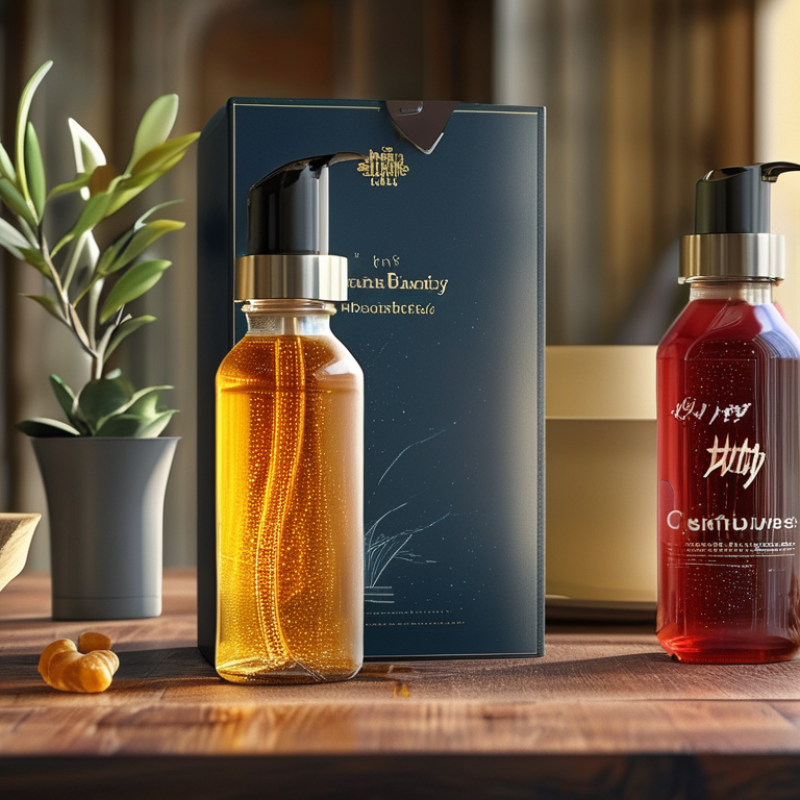
How to Create Unique Custom Products for Brand Promotion?

Understanding the Importance of Custom Products in Brand Promotion

Custom products play a vital role in brand promotion. According to a recent survey by the Promotional Products Association International (PPAI), 79% of people can recall the branding on a promotional item they received in the past two years. This statistic underscores the potential impact of custom products on consumer retention and brand visibility. When designed thoughtfully, these products create lasting impressions that can elevate a brand's awareness and loyalty.

Moreover, custom products foster emotional connections with consumers. Studies show that 83% of consumers like receiving promotional gifts. Items like personalized tote bags or unique drinkware not only serve a practical purpose but also reflect the brand’s identity. However, the challenge lies in creating products that truly resonate. An approach that lacks genuine understanding of the target audience can result in wasted resources and a lack of engagement.

Brands must stay updated on trends and consumer preferences, yet many overlook this crucial aspect. Custom products must feel relevant and valuable. Relying solely on popular choices may seem easier, but such a strategy can dilute brand identity. Brands should conduct regular market research to understand evolving consumer needs. This investment leads to more effective product development and stronger brand connections. Staying genuine and innovative is essential for success in this space.

Unique Custom Products for Brand Promotion

Identifying Your Target Audience for Customized Promotional Items

Identifying your target audience is crucial for creating customized promotional items. Understanding who your potential customers are shapes your product design and marketing strategies. Start by researching demographics, interests, and purchasing behaviors. Age, gender, and location play significant roles. For example, younger audiences might favor tech gadgets, while older consumers may prefer classic items.

Engagement is essential to truly know your audience. Conduct surveys or focus groups to gather insights. Ask questions about preferences and styles. This can reveal unexpected insights, such as a preference for eco-friendly products. Involving your audience in the design process fosters a sense of ownership. This leads to more meaningful promotions.

Failing to connect with your audience can lead to wasted resources. Not every product will resonate with every group. Test ideas on a smaller scale before a full launch. Measure the responses, and be prepared to pivot your strategy based on feedback. This approach balances creativity with market demand, driving successful brand promotion over time.

Creative Design Strategies for Unique Custom Products

Creating unique custom products for brand promotion involves innovative design strategies that set your offerings apart. To begin, think about your audience. What resonates with them? Use surveys or feedback to gather insights. This allows you to tailor products that truly reflect their needs and preferences.

A notable tip for effective custom product design is to explore sustainable materials. Eco-friendly options are increasingly popular among consumers. They not only boost your brand image but also show commitment to environmental responsibility. Remember, your choices matter, and this will also invite more discussions around your brand. Unique designs can be made using fun colors, patterns, or textures that align with your branding.

Don't forget to keep the balance between creativity and functionality. Products must be visually appealing but also practical. User-friendly features can enhance customer satisfaction. When brainstorming ideas, allow room for imperfect designs. Sometimes, what seems flawed can lead to refreshing innovation. Adapt and refine based on feedback for continuous improvement.

Choosing the Right Materials and Suppliers for Production

Choosing the right materials and suppliers is crucial for creating unique custom products. High-quality materials reflect your brand's values. Reports indicate that 72% of consumers prefer brands that use sustainable materials. This preference can influence purchasing decisions.

Finding reliable suppliers is equally important. A survey found that 56% of companies experienced supply chain disruptions in the past year. This can affect product timelines and brand reputation. Establish clear communication with suppliers to mitigate risks. Ask for samples and verify quality before committing.

Think about the balance between cost and quality. While low-cost materials may seem attractive, they can compromise your brand image. Investing in good materials often leads to better customer satisfaction. Remember, some suppliers may not meet promised timelines. Examine their reviews and track records carefully. Make your choices wisely.

Measuring the Impact of Custom Products on Brand Awareness and Loyalty

Custom products can significantly enhance brand awareness and customer loyalty. When consumers receive unique items, they remember the brand associated with them. This connection often leads to positive feelings and sustained engagement. For example, a well-designed tote bag or a quirky mug can remind customers of the brand every time they use it.

The impact of these custom products can be measured by tracking customer behavior. Surveys can help gauge customer sentiment towards the brand after they receive these items. Sales data can also reveal trends in purchasing behavior linked to promotional giveaways. However, it's crucial to evaluate whether the products resonate with the target audience. A mismatch could lead to waste and a lack of interest in the brand.

Brands should focus on quality and relevance. A low-quality product may tarnish the brand's reputation. Moreover, understanding customer preferences is vital. Conducting research can help tailor products that truly reflect the brand values. The relationship between custom products and brand loyalty is more complex than it appears, necessitating ongoing reflection and adaptation.

FAQS

: Why are custom products important for brand promotion?

: Custom products enhance brand visibility and consumer retention, making a lasting impression. Brands can become memorable through thoughtful designs.

How do custom products foster emotional connections?

Items like personalized bags or unique drinkware reflect brand identity. Authentic connections drive consumer loyalty and satisfaction.

What happens if brands fail to understand their audience?

Without insight into preferences, brands risk wasted resources and ineffective promotions. Understanding your audience is essential for success.

How can brands identify their target audience effectively?

Research demographics, interests, and behaviors. Engaging directly through surveys will reveal unexpected preferences, including eco-friendly options.

What is the role of market trends in custom product design?

Staying updated is crucial. Neglecting trends can make products feel irrelevant, diminishing brand identity and connection with consumers.

How can the impact of custom products be measured?

Brands can track customer behavior through surveys and sales data. Understanding consumer sentiment helps refine promotional strategies.

What risks are associated with low-quality custom products?

Poor quality can harm a brand's reputation. It's crucial to prioritize quality over quantity to ensure customer satisfaction and loyalty.

How should brands proceed if initial product tests fail?

Be prepared to pivot based on feedback. Testing on a smaller scale allows brands to iterate and adapt their strategies effectively.

Why is ongoing reflection necessary for brand promotion?

The relationship between custom products and loyalty is complex. Brands must regularly assess and adapt to sustain consumer engagement.

What emotional impact do custom products have on consumers?

Unique items create positive feelings and stronger connections. Consumers often remember brands tied to these memorable experiences.

Conclusion

Creating unique custom products for brand promotion is essential for standing out in a competitive market. Understanding the importance of these products involves identifying your target audience and designing items that resonate with their preferences and needs. To achieve this, employing creative design strategies can ensure that your promotional items are not only eye-catching but also functional and relevant.

When considering how to design unique custom products for brand promotion, selecting the right materials and suppliers is crucial for quality and sustainability. Finally, measuring the impact of these custom products on brand awareness and customer loyalty will help assess their effectiveness and guide future marketing strategies.

Amelia

Amelia

Amelia is a seasoned marketing professional with a wealth of expertise in our company’s core offerings. With an unwavering passion for driving growth and innovation, she plays a pivotal role in shaping our marketing strategies and enhancing brand visibility. A key aspect of her responsibilities......