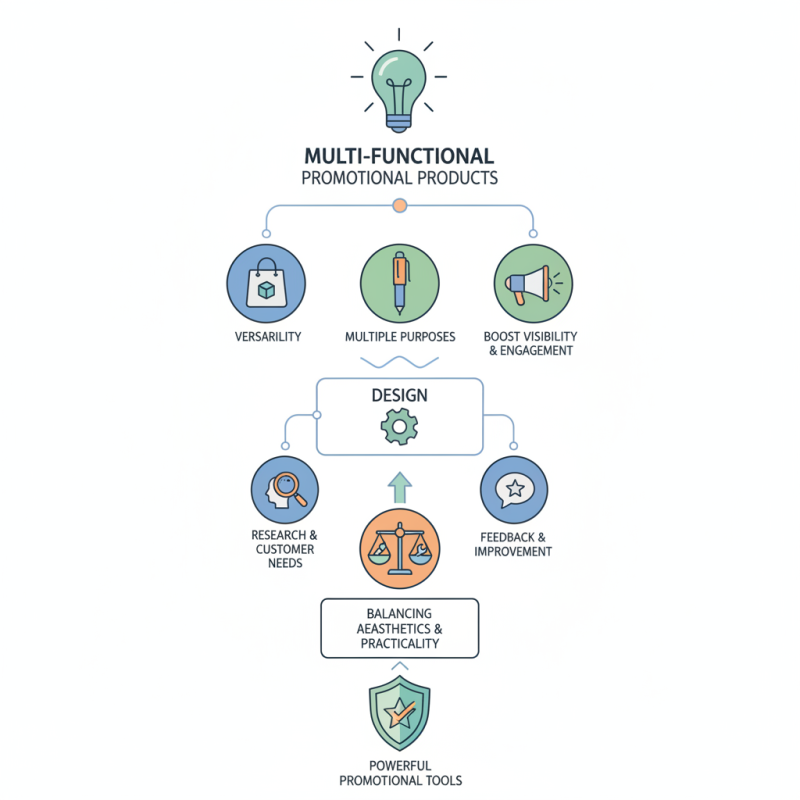
Creating effective multi-functional promotional products is an art. Businesses can boost visibility and engagement with thoughtful design. But, how to design multi-functional promotional products? This question drives many marketers today.
Multi-functional products offer versatility. They serve multiple purposes while promoting a brand. Consider the appeal of a tote bag that transforms into a cooler. Or a pen that doubles as a stylus. Each design choice can enhance usability and memorability.
Yet, businesses often overlook the user experience. A product may look appealing but fail in functionality. Research and testing can lead to better outcomes. Assess customer needs and use feedback for improvement. Balancing aesthetics with practicality is key. Thoughtful design can lead to powerful promotional tools.
The concept of multi-functional promotional products revolves around versatility and usability. These items serve various purposes, making them valuable to users. For instance, a tote bag that doubles as a cooler can attract attention not just for its looks but also for its functionality.
Tips: Focus on practicality. Consider what would be useful to your target audience. A product that simplifies everyday tasks will create a positive impression. Think of items like a pen that transforms into a stylus or a notebook that doubles as a phone holder.
Another point to reflect on is the quality of the products. Sometimes, less attention is given to durability. A promotional item may be innovative, but if it breaks easily, it reflects poorly on your brand. Constantly assess the materials used and the design's practicality.
Tips: Engage with your audience. Gather feedback on products that sparked their interest. Enhance your offerings based on these insights to improve their functionality and appeal. Multi-functional products not only promote your brand but also build lasting relationships.
| Product Type | Functionality | Target Audience | Material | Usage Scenarios |
|---|---|---|---|---|
| Eco-Friendly Tote Bags | Reusable shopping | Environmentally conscious consumers | Cotton | Grocery shopping, events |
| USB Flash Drive Keychains | Storage & organization | Students and professionals | Plastic & metal | School, work, travel |
| Multi-tool Kits | Convenience & utility | Outdoor enthusiasts | Stainless steel | Camping, hiking, home repairs |
| Bluetooth Speakers | Music playback & calls | Music lovers | Plastic & fabric | Parties, outdoor activities |
| Water Bottles with Infuser | Flavor infusion & hydration | Health-conscious individuals | BPA-free plastic | Gym, office, travel |
Understanding your target audience is crucial for creating multi-functional promotional products. Research shows that 85% of consumers are more likely to purchase after receiving a promotional item tailored to their specific interests. This highlights the importance of thorough audience analysis. Companies must identify demographics, preferences, and needs. Surveys and customer feedback can reveal what consumers value most.
For instance, a recent study indicated that 70% of consumers prefer practical items over novelty products. This insight pushes brands to develop merchandise that aligns with daily use, such as reusable bags or tech accessories. Consider the preferences of potential customers. Engaging them can reveal invaluable insights, yet many brands overlook this step. Ignoring feedback might lead to wasted resources on products that fail to resonate. A well-researched promotional strategy can make all the difference.
Incorporating practical features into promotional products can enhance their effectiveness. A backpack with built-in USB ports appeals to tech-savvy consumers. Likewise, eco-friendly materials attract a growing audience focused on sustainability. Brands should regularly evaluate the effectiveness of their choices. This reflection can lead to refined strategies that better serve their audience's evolving needs. Ignoring this cycle could result in missed opportunities and disinterest from consumers.
Choosing the right materials for promotional products is crucial for enhancing durability and functionality. Recent industry reports indicate that 70% of consumers retain promotional items for more than two years. This retention often hinges on the material quality. For instance, products made from high-grade polycarbonate or stainless steel exhibit significant longevity. They withstand wear and tear, making them ideal choices for items like water bottles or tech gadgets.
Additionally, the environmental impact of materials cannot be overlooked. Eco-friendly options are gaining traction. A study shows that 55% of consumers are more likely to choose brands that use sustainable materials. Recycled plastics or organic cotton not only reduce ecological footprints but also promote a positive brand image. However, the challenge lies in sourcing high-quality eco-materials that also meet durability standards.
It's essential to reflect on the balance between cost and quality. In some cases, low-cost materials can imply a disposable nature. This may lead to a perception of lower brand value. Some brands might prioritize a trendy appearance over functionality. This can backfire when customers view the product as untrustworthy. Investing in quality materials can reflect a brand's commitment to excellence and customer satisfaction. Companies must carefully evaluate their choices in materials to ensure they align with their branding and customer expectations.
Designing eye-catching and practical promotional features requires a blend of creativity and functionality. Think about shapes and colors that attract attention. A vibrant color palette can make your product stand out in a crowded market. Consider using unique designs that reflect your brand's identity. These elements should be easily recognizable and align with your target audience's preferences.
Practicality is just as crucial. A promotional product that serves a real purpose will be appreciated more. For example, multifunctional items like eco-friendly bags or portable phone chargers are useful and memorable. However, the challenge lies in ensuring quality. If the product feels cheap or falls apart quickly, it reflects poorly on the brand. It’s important to strike a balance between eye-catching aesthetics and sturdy craftsmanship.
Incorporating innovative features can enhance functionality. Items with built-in storage or dual-use capabilities can attract more attention. However, simplicity is vital. Overcomplicated designs can confuse users. Testing these products with a focus group can provide valuable feedback. Learn from their responses; not every idea will resonate. Continual improvement based on real-world usage is what truly builds effective promotional products.
Measuring the effectiveness of your promotional product campaigns is crucial. Start by collecting data on customer engagement. Use surveys to gather feedback on the products. This helps understand what resonates with your audience.
Tips: Track responses after your campaigns. Analyze social media interactions. Engaged customers often share their experiences, expanding your reach.
Return on investment is another critical measure. Calculate how many new customers were generated from each campaign. Assess sales growth over time related to specific products.
Tips: Compare different campaigns to find patterns. Identify which products work best. Tweak future campaigns based on these insights.
Regular reflection is needed. Not every promotional product will perform as expected. Some items may not appeal to your target demographic. Learning from less successful campaigns is essential for future improvements.
: They are items that serve various purposes, enhancing usability and value for users.
Quality materials ensure durability, which impacts how long consumers retain the items.
By providing practical items that simplify everyday tasks, brands can leave a lasting impact.
The balance between cost and quality is crucial for enhancing product value and brand perception.
Vibrant colors and unique designs attract attention and help reinforce brand identity in a crowded market.
Engaging with consumers helps brands improve product functionality based on real-world usage and preferences.
Low-quality materials can imply disposability, leading to a negative perception of the brand's value.
Incorporating practical features and testing with focus groups can enhance product appeal and effectiveness.
Overcomplicated designs can confuse users; simplicity is key for promotional items.
Using eco-friendly materials can promote a positive brand image, but sourcing quality options remains a challenge.
In today’s competitive market, understanding how to design multi-functional promotional products is essential for maximizing brand visibility and engagement. The first step involves comprehending the concept of these versatile items, ensuring they cater to the specific needs of your target audience. By identifying your audience, you can tailor your products to resonate with their preferences and expectations.
Choosing the right materials is crucial for creating durable and functional items that not only serve a purpose but also withstand the test of time. Furthermore, incorporating eye-catching designs and practical features will enhance appeal and utility, making the products more effective. Finally, measuring the effectiveness of your promotional product campaigns ensures that you can evaluate their impact and make necessary adjustments, ultimately leading to improved marketing strategies.

TOP Crafts