How to Create Meaningful Patterns for Challenge Coins Design?

Time:2026-05-13 Author:Madeline
0%

Creating meaningful patterns in challenge coin design involves skill and creativity. Expert designer Johnathan Miller once stated, "Effective designs tell stories and invoke emotions." This perspective is crucial. It highlights the importance of imbuing coins with significance.

To master how to design challenge coins with meaningful patterns, one must consider symbolism and purpose. Every shape, color, and texture can evoke particular feelings. This requires understanding the audience and the intended message. Coins should reflect values and experiences.

Designers often face common pitfalls. Overcomplicating designs can dilute their message. Similarly, neglecting audience preferences may lead to unengaging coins. Reflecting on these challenges can inspire growth and improvement. A thoughtful approach can help in creating unforgettable challenge coins that resonate deeply.
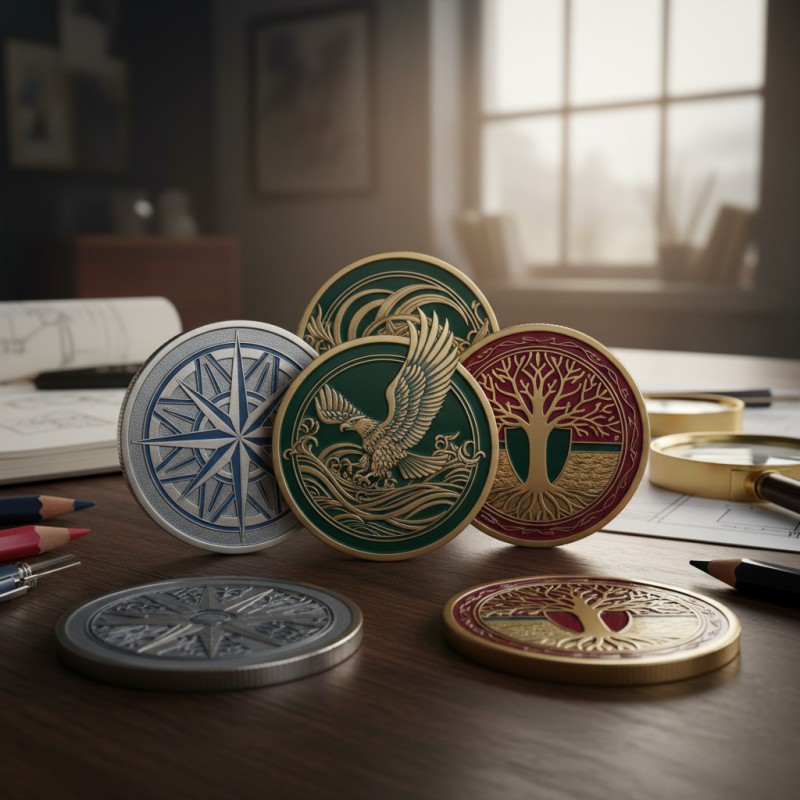
How to Create Meaningful Patterns for Challenge Coins Design?

Understanding the Purpose and Significance of Challenge Coins

Challenge coins hold significant value in military and organizational cultures. They serve as symbols of achievements and camaraderie. According to a 2022 report by the Coin Collectors Association, 80% of military personnel believe these coins foster unit cohesion and loyalty. Their design must reflect the purpose behind them, which often includes honoring service or commemorating milestones.

Creating meaningful patterns in challenge coin design relies on understanding their significance. Designs frequently incorporate symbols, colors, and text that resonate with core values. For instance, using a unit’s emblem can evoke a sense of pride. However, some designs may lean too heavily on complexity. A clear image can often communicate a stronger message than an intricate one.

Tips: Keep designs simple. A straightforward approach ensures clarity. Utilize colors that embody the spirit of the unit. Engage with recipients to gain insights on what resonates with them. Feedback can lead to an evolved design that truly reflects shared values. Remember, even small elements can carry weight. Sometimes, less is indeed more in design.

Identifying Themes and Symbols for Challenge Coin Design

Creating meaningful patterns for challenge coins involves careful thought about themes and symbols. Understanding the essence of the message is crucial. According to industry reports, 74% of collectors value the significance behind the designs. Using identifiable symbols can enhance this value. For instance, military units often use their emblems, while sports teams incorporate logos. This direct representation fosters connection and pride among recipients.

When selecting themes, consider the audience. Engaging visuals can communicate complex ideas succinctly. Research indicates that imagery can convey messages 60,000 times faster than text. Incorporating colors also matters. For example, blue may represent trust, while red signifies courage. Creating a balance between aesthetics and symbolism leads to a successful design.

Tip: Engage stakeholders in the design process. Their input can highlight what matters most.

Also, reflect on the designs you admire. Analyze what elements resonate. It can reveal valuable insights for your own project. Keep in mind, mistakes in design are learning opportunities. Always strive to improve and adapt based on feedback.

Choosing the Right Colors and Materials for Effective Patterns

When designing challenge coins, color choice and material influence the overall impact. Colors evoke emotions and communicate messages. For instance, red signifies courage, while blue often represents trust. Choosing vibrant colors can enhance visibility. They will grab attention quickly, making your coin unforgettable.

Materials also play a vital role in pattern effectiveness. Options range from traditional metals to modern polymers. Each material offers unique textures and finishes. A matte finish may suggest sophistication, while a glossy surface delivers vibrancy. It's crucial to complement your design with the right material.

While it’s tempting to use many colors or complex patterns, clarity remains key. Overly intricate designs can confuse viewers. Simplicity paired with distinct colors often yields a more profound impact. It’s essential to reflect on your choices. Sometimes, less truly is more, enabling the design to communicate its message clearly.

Incorporating Text and Emblems into Coin Design

When designing challenge coins, incorporating text and emblems can greatly enhance their meaning. Each element serves a specific purpose. Emblems can represent organizations, achievements, or values. They often draw the eye, creating a visual connection to the coin’s theme. Well-chosen symbols resonate with the audience and symbolize shared experiences or missions.

Text plays a crucial role as well. A memorable quote or the name of an event can add significant value. It’s vital to choose words carefully. Too much text can clutter the design, diverting attention from key elements. Aim for a balance that conveys the message clearly yet simply. Strive to select fonts that reflect the coin's spirit.

Reflection is essential during the design process. Is the emblem truly representative of its cause? Does the text enhance or distract? Engaging with others can provide new insights. Feedback helps identify areas needing improvement. The beauty of a coin lies in its ability to tell a story through every detail. Embrace the challenge of creating a design that communicates effectively.

Design Elements in Challenge Coin Creation

Balancing Aesthetics and Functionality in Challenge Coin Patterns

Creating patterns for challenge coins requires a delicate balance between aesthetics and functionality. The design should visually appeal to the eye, while also conveying meaning and purpose. Simplicity often works best. Intricate details can obscure the message of the coin. Clear imagery and approachable designs tend to resonate more with recipients.

Tips: Always think about the theme. What message should the coin communicate? Consider the audience's connection to the design. Use symbols or colors that reflect the group's identity or mission. A coin design should feel personal but still be easy to understand.

Not every attempt will hit the mark. Sometimes, vibrant colors clash or symbolic elements confuse the viewer. Reflect on the critique from peers. Feedback can lead to improved designs. Functionality doesn't just mean usability; it also encompasses how the coin is received and perceived. A well-balanced coin draws attention and serves a purpose, while remaining aesthetically pleasing.

FAQS

: What is important when designing challenge coins?

: The essence of the message and themes is crucial. Thoughtful symbols enhance value and connection.

How can visuals impact a challenge coin design?

Engaging visuals can convey complex ideas quickly. Imagery communicates messages 60,000 times faster than text.

Why are colors important in coin design?

Colors evoke emotions. For example, blue represents trust, while red signifies courage.

How should one choose materials for challenge coins?

Material affects impact. Options range from traditional metals to modern polymers, each offering unique textures.

What should be considered when incorporating text?

Text adds value but can clutter designs. Aim for a balance that clearly conveys the message.

How can feedback help in the design process?

Engaging with others provides new insights. Feedback highlights areas needing improvement or reflection.

Why is reflection important during coin design?

Reflecting on design can reveal if elements truly represent their cause. It helps refine the final product.

What should be avoided in challenge coin design?

Overly intricate designs can confuse viewers. Simplicity often yields a more profound impact.

How does audience engagement play a role in design?

Involving stakeholders ensures the design resonates and reflects their values or beliefs.

What are common mistakes in coin design?

Mistakes are learning opportunities. Striving for improvement is essential, so embrace the design challenges.

Conclusion

In exploring "How to design challenge coins with meaningful patterns," it's essential to begin by understanding the purpose and significance these coins serve. Challenge coins often represent achievements, affiliations, or milestones, making it crucial to identify themes and symbols that resonate with their intended audience. By thoughtfully selecting colors and materials, designers can enhance the visual impact and emotional connection of the coin, ensuring it stands out.

Moreover, incorporating text and emblems effectively allows the message to be conveyed clearly, while balancing aesthetics and functionality ensures that the coin remains practical yet visually appealing. A well-designed challenge coin with meaningful patterns not only commemorates an event or achievement but also fosters a sense of pride and belonging among recipients. Ultimately, a strategic approach in design will create coins that are not only beautiful but also hold significant value.

Madeline

Madeline

Madeline is a dedicated marketing professional with a wealth of expertise in our company's core offerings. With a keen understanding of the industry, she brings a unique perspective to her role, consistently delivering high-quality content that highlights the superior aspects of our products. As......