When considering custom badges and keychains, the materials used play a crucial role in their durability. What materials are best for long-lasting custom badges and keychains? The answer to this question hinges on various factors, including usage, strength, and aesthetics. Some materials can withstand harsh conditions while maintaining their appearance.
Different products require different features. For example, metal badges offer strength but may be heavy. On the other hand, plastic options are lightweight yet can be less durable over time. The choice of material often reflects the intended use of the badge or keychain. Outdoor events may demand water-resistant options, while indoor uses might favor lighter, more decorative materials.
Understanding these nuances is essential. Each material has its pros and cons, and it's vital to consider specific needs. Reflecting on past choices can guide better decisions. Ultimately, selecting the right material is about finding a balance between functionality and style.
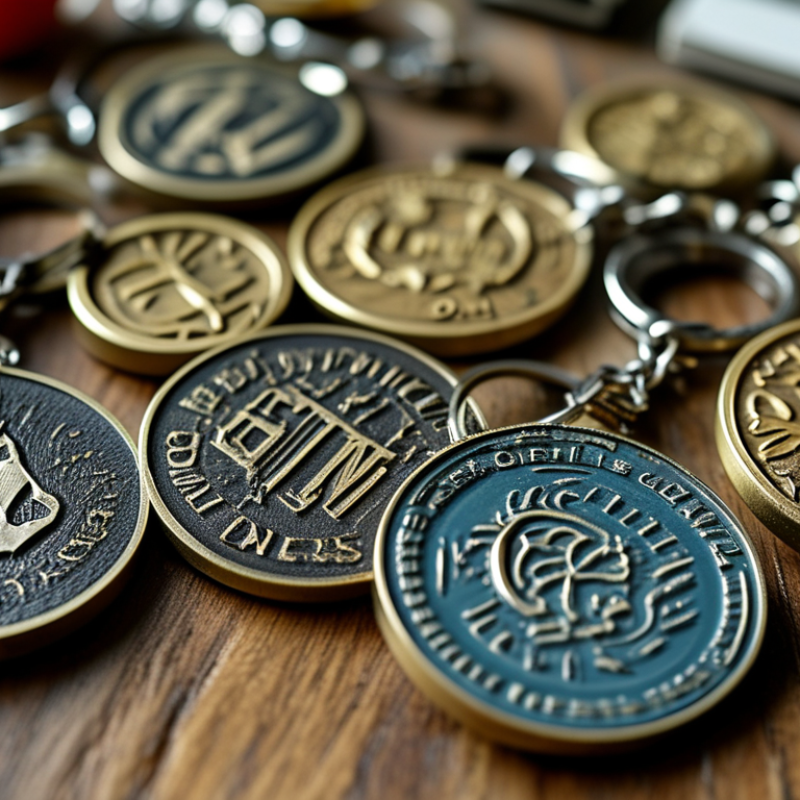
Understanding the Importance of Material Selection for Custom Badges
Choosing the right materials for custom badges and keychains is crucial. The durability and aesthetic appeal of these items largely depend on material selection. Different uses demand different materials. For instance, outdoor badges need weather-resistant options, while indoor items can be made from lighter materials.
Metal, acrylic, and wood are popular choices for custom designs. Metal offers a classic look and can withstand wear. Acrylic, on the other hand, allows for vibrant colors and detailed graphics. Wood brings a unique, organic feel but varies in durability. Consider how each material interacts with design elements.
Quality directly impacts user experience. Poor material can lead to wear and tear, frustrating the user. It's essential to reflect on the intended use and target audience. Assessing each material’s strengths and weaknesses informs better decisions. Even subtle details in material texture and finish can enhance or diminish the overall appeal.
Overview of the Top 5 Durable Materials for Custom Badges and Keychains
When it comes to creating custom badges and keychains, choosing the right material is crucial. Durability is key for these items, as they endure daily wear and tear. According to industry reports, materials like plastic, metal, wood, and acrylic rank highly for their resilience and aesthetic appeal.
Plastic is a popular choice due to its lightweight nature and versatility. It can withstand harsher environments, making it a staple in various applications. Studies show that nearly 67% of custom badge producers use plastic for its durability and cost-effectiveness. Metal, while heavier, offers unmatched strength, often used in keychains that experience frequent use. For instance, stainless steel has a high resistance to rust and corrosion, making it a reliable option for long-term wear.
Wood and acrylic also have their places in the market. Wood provides a natural aesthetic and can last for years if properly treated. However, it may not be suited for all environments due to moisture sensitivity. Acrylic offers a sleek finish and can mimic glass without the fragility. Reports suggest that while acrylic is impactful, it is crucial to ensure proper handling to avoid scratches and damage. Each material has its pros and cons, indicating that careful consideration is essential for lasting custom pieces.
Top 5 Durable Materials for Custom Badges and Keychains
| Material Type |
Durability |
Weight |
Cost |
Best Use Case |
| Stainless Steel |
High |
Medium |
$$$ |
Corporate Badges |
| Acrylic |
Medium |
Light |
$ |
Event Passes |
| PVC |
Medium |
Light |
$ |
Promotional Items |
| Wood |
Medium |
Medium |
$$ |
Artisan Keychains |
| Aluminum |
High |
Light |
$$ |
Durable Keychains |
Pros and Cons of Using Metal for Custom Badges and Keychains
When considering materials for custom badges and keychains,
metal stands out for its durability and aesthetic appeal. The pros of using metal include its resistance to wear and tear.
Metal badges can endure everyday use without significant damage, making them ideal for long-term applications. Additionally, they offer a polished and professional appearance that enhances branding efforts.
However, there are drawbacks to using metal. For instance, they can be heavier than other materials, which may not appeal to everyone. Some individuals may find metal keychains cumbersome. The cost of production can also be higher compared to plastic or wood. This difference can affect budget-conscious projects.
Metal badges and keychains can tarnish over time. Regular maintenance is needed to keep them looking pristine. Users may need to invest extra time for cleaning and polishing. Moreover, customization options can be somewhat limited compared to materials like acrylic or vinyl.
Balancing durability with these potential inconveniences is essential when choosing metal for custom items.
Exploring Plastic Options: Versatility and Durability for Custom Items
When it comes to creating custom badges and keychains, plastic materials stand out for their versatility and durability. There are various types of plastics available. For instance, PVC is a popular choice. It is cost-effective and highly resistant to wear and tear. This makes it ideal for items that see a lot of daily use. However, some might find it less eco-friendly compared to biodegradable options.
Polycarbonate is another excellent option. It boasts high impact resistance and clarity. This means that custom designs can truly pop. Yet, it can be prone to scratching if not treated properly. Designers must weigh aesthetics against durability when choosing. Acrylic is lightweight and can easily be molded into different shapes. It also comes in various colors and finishes. However, it may not withstand extreme conditions, so it's essential to consider the end usage.
Another innovative option is biodegradable plastics. These are becoming increasingly relevant. They provide a sustainable alternative without compromising on quality. However, some users may still have concerns about longevity. Each material has its pros and cons, and the right choice often depends on the specific needs and environment of the user. It's crucial for designers to analyze these factors carefully to achieve the best results.
Innovative Materials: Eco-Friendly Choices for Custom Badges and Keychains
When creating custom badges and keychains, eco-friendly materials stand out as innovative choices. Many organizations seek sustainable options to minimize their environmental impact. For example, recycled plastic is a popular choice. It’s durable and available in various colors. Using recycled materials not only reduces waste but also promotes brand values centered around sustainability.
Another excellent option is bamboo. This renewable resource is naturally sturdy and lightweight. Bamboo keychains and badges make a statement while being gentle on the planet. The rich texture offers a unique aesthetic, appealing to eco-conscious consumers. However, it's essential to ensure that the bamboo is sourced responsibly.
Additionally, consider biodegradable materials. These options break down naturally over time, making them an environmentally friendly alternative. Some products use natural fibers, embodying both durability and style. It's crucial to balance aesthetics with sustainability, though. Not all biodegradable materials are equally durable, leading to potential concerns about wear and tear. Choosing the right eco-friendly material requires careful consideration.
Top 5 Materials for Durable Custom Badges and Keychains
FAQS
: Material selection affects durability and aesthetic appeal. Different uses require specific materials for best performance.
Metal, acrylic, and wood are popular. Each has unique properties that cater to different design needs.
Metal is durable and resistant to wear. It provides a polished look that enhances branding efforts.
Yes, metal can be heavier and more expensive. Regular maintenance is also required to prevent tarnishing.
Plastic offers versatility and is often lighter. It can be more cost-effective but may have lower durability.
PVC is cost-effective and durable. Polycarbonate offers clarity but can scratch easily if not handled properly.
Yes, they are sustainable options. However, concerns about their longevity may affect user preference.
Assessing the intended use and user environment is crucial. Consider strengths and weaknesses of each material.
They significantly affect the overall appeal. Subtle details can enhance or diminish the final look of the item.
Yes, regular cleaning can keep metal items looking pristine. This maintenance requires extra user time and effort.
Conclusion
When considering what materials are best for long-lasting custom badges and keychains, it's essential to understand the impact of material selection on durability and functionality. The article outlines the top five materials, highlighting metal, plastic, and innovative eco-friendly options. Metal badges and keychains offer strength and a premium feel but can be heavier and less flexible. Conversely, plastic materials provide versatility and a wide range of designs, making them ideal for various applications, though they may not be as sturdy as metal.
Additionally, the exploration of eco-friendly materials emphasizes the growing trend towards sustainability without compromising on durability. Each material comes with its own set of pros and cons, making it crucial to evaluate the intended use and desired aesthetics when choosing the right material for custom badges and keychains. Ultimately, informed material selection ensures that the final product is both durable and visually appealing.

 TOP Crafts