Creating custom metal souvenirs involves more than just design. It’s essential to consider how to ensure the quality of custom metal souvenirs. Quality can influence customer satisfaction and repeat business. Buyers often seek unique items that reflect their experiences. They expect durability and craftsmanship in these pieces.
One key aspect is material selection. High-quality metals are essential for lasting souvenirs. Manufacturers should use materials that resist tarnishing and wear. People appreciate detailed engravings and vibrant finishes. These features enhance both the aesthetic and sentimental value of the items.
Quality control is another important process. Regular inspections during production can minimize defects. Feedback from buyers can illuminate areas for improvement. By reflecting on these aspects, businesses can refine their products. Ultimately, delivering high-quality custom metal souvenirs builds trust and loyalty among customers.
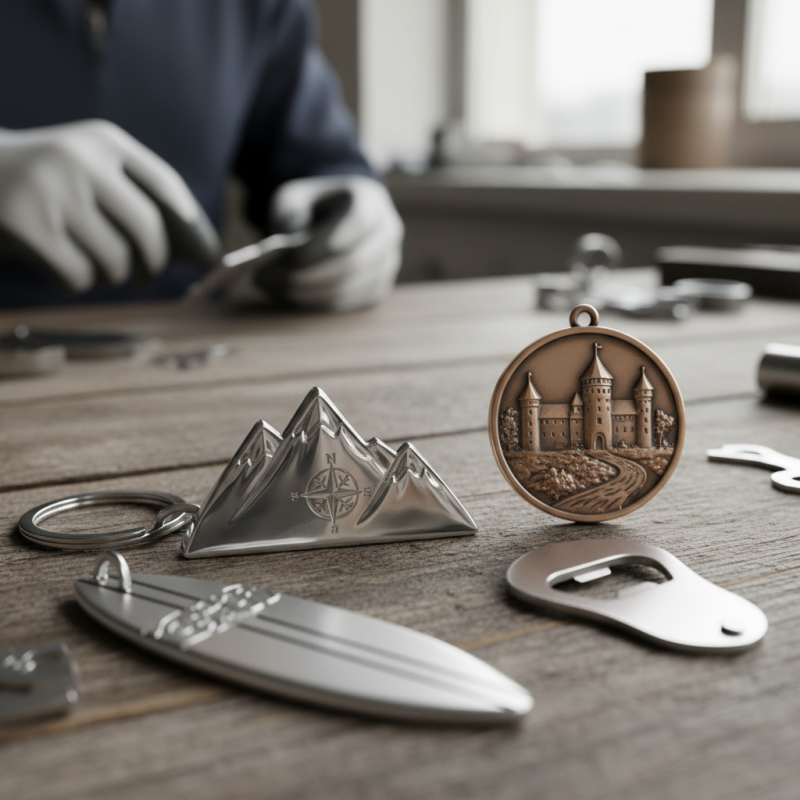
When selecting materials for custom metal souvenirs, quality is paramount. Metal types like aluminum, brass, and stainless steel each possess unique characteristics. Aluminum is lightweight and resistant to corrosion. Brass, on the other hand, has a warm golden hue that appeals to many buyers. Stainless steel offers durability and a sleek finish. Understanding these properties can help ensure that the final product meets customer expectations.
Another important aspect is surface treatment. Processes like anodizing can enhance durability and color options. However, not all finishes will hold up well over time. It's crucial to evaluate how the chosen material and finish will wear in different environments. Customers may appreciate polished surfaces for aesthetic reasons, but they might not realize they scratch more easily.
Also, it's vital to test prototypes before mass production. Rushing this step can lead to disappointing results. Sometimes, flaws in metal may not be apparent until later stages. Engaging skilled artisans can help mitigate these risks. They bring expertise to material selection and finishing techniques. Balancing aesthetic appeal with functionality remains a challenge that requires careful consideration and ongoing refinement.
Design plays a crucial role in the quality of custom metal souvenirs. An effective design not only attracts buyers but also enhances the overall value of the product.
A well-thought-out design considers both aesthetics and functionality. For example, intricate patterns can elevate a simple metal piece into a cherished keepsake.
On the other hand, overly complicated designs may lead to production issues, resulting in flaws.
Material choice is another aspect where design impacts quality. Selecting the right metal can affect durability and finish. For instance, using high-quality stainless steel ensures longevity, while poor choices may lead to tarnishing.
Designers should collaborate closely with manufacturers to balance creativity with practicality. There are times when a design looks great on paper but becomes problematic during production.
Attention to detail is essential in the design phase. Small elements, like engraving depth or surface texture, matter significantly. However, it’s easy to overlook these during the initial brainstorming.
Continuous feedback and refinement are necessary. This ensures that the final product meets expectations. Designing metal souvenirs is an art, but it demands a practical approach to avoid disappointments.
To ensure quality in custom metal souvenirs, a deep understanding of the essential manufacturing processes is crucial. These processes include material selection, design accuracy, and surface finishing. Using high-grade metals is essential for durability and aesthetics. Yet, sourcing quality materials can be challenging. Some suppliers may not meet the required standards. Relying on tested partnerships can mitigate this risk.
Design plays a pivotal role in the manufacturing process. Detailed drawings and 3D models help visualize the final product. However, miscommunication can occur between designers and manufacturers. Regular updates and consultations can help bridge this gap. Once the prototype is created, a thorough evaluation is necessary. Testing for strength and resilience ensures that the final product meets customer expectations.
Surface finishing is another vital aspect of quality assurance. It enhances both appearance and protection. Common methods include polishing and anodizing. Each technique has its merits and drawbacks. Anodizing, for example, provides excellent corrosion resistance but can alter color tones. Striking a balance between appearance and functionality is essential. Careful consideration of these factors helps in crafting souvenirs that resonate with buyers.
Quality control is essential in creating custom metal souvenirs. Implementing rigorous testing processes ensures that every product meets high standards. Manufacturers should conduct visual inspections. Regular checks can catch defects early. This step helps maintain the visual appeal and durability of the souvenirs.
Certification plays a vital role in quality assurance. Certificates can indicate compliance with safety and material standards. Obtaining relevant certifications may seem arduous but fosters trust. Buyers feel assured about their purchases. It can also enhance the reputation of the manufacturers in the market. However, not every manufacturer may undergo this process, leaving room for doubt.
A lack of transparency can arise during production. Some makers may skip important testing, leading to poor-quality products. This negligence not only affects customer satisfaction but also harms brand image. Continuous improvement in quality control measures must remain a priority. Reflecting on the production process is crucial for growth. Every manufacturer should ask if their current standards are enough.
Consumer expectations for custom metal souvenirs are evolving rapidly. Shoppers today desire unique designs that reflect personal stories and local culture. They want a tangible connection to their experiences. Quality craftsmanship is non-negotiable for discerning buyers. They look for durability, ensuring the souvenir can withstand the test of time.
Sustainability is a rising concern as well. Many consumers prefer products made with eco-friendly materials. Brands that emphasize low environmental impact resonate well with this audience. Transparency about sourcing and production processes builds trust. Still, not all companies are meeting these expectations effectively. Some continue to prioritize cost over quality, resulting in a lack of consumer loyalty.
Engaging with buyers through social media helps brands understand their needs better. This direct communication can spark innovation in design and materials. However, many businesses still struggle to adapt. Understanding the market trends is essential. Balancing craftsmanship, sustainability, and unique design can create powerful emotional connections with customers, fostering brand loyalty.
| Aspect | Consumer Expectation | Importance Level (1-5) | Trends (2023) |
|---|---|---|---|
| Material Quality | Durable and Safe Materials | 5 | Increase in Demand for Eco-friendly Metals |
| Design Customization | Unique and Personalized Designs | 4 | Growing Interest in 3D Laser Etching |
| Finish Quality | Smooth and Refined Finishes | 4 | Introduction of Advanced Polishing Techniques |
| Price Point | Competitive Pricing without Compromise | 3 | Rise in Budget-friendly Production Options |
| Delivery Time | Timely and Reliable Shipping | 5 | Focus on Efficient Production Processes |
: Common materials include aluminum, brass, and stainless steel. Each has unique properties that affect quality.
Surface treatments, like anodizing, enhance durability and appearance but may not withstand wear over time.
Effective designs balance aesthetics and functionality, with attention to detail in elements like engraving and texture.
Testing prototypes helps identify flaws early. Skipping this step can lead to unsatisfactory final products.
Consumers want unique designs reflecting personal stories and prioritizing quality durability and sustainability.
Transparency about sourcing and production processes helps build trust. Many still fall short of these expectations.
Balancing creativity with practicality can be hard. A design that looks good may face production issues later.
More buyers prefer eco-friendly materials and practices. Many still prioritize cost, risking loyalty.
Engaging with buyers on social media fosters direct dialogue, leading to innovative designs and material choices.
Overcomplicated designs or overlooked details can result in flaws. Continuous feedback is crucial for refinement.
The article "How to Ensure Quality in Custom Metal Souvenirs for Buyers" delves into critical aspects of creating high-quality metal souvenirs. It emphasizes the importance of material selection, which is foundational for durability and aesthetic appeal. The design phase is crucial, as it can enhance the overall quality and marketability of the products. Additionally, the article outlines essential manufacturing processes, highlighting how precision and consistency contribute to meeting quality standards.
Furthermore, quality control measures, including rigorous testing and certification, are essential for ensuring that the final products meet consumer expectations. By analyzing current market trends, the article provides insights into what buyers are looking for in custom metal souvenirs. Consequently, understanding how to ensure the quality of custom metal souvenirs not only fulfills buyer demands but also fosters trust and satisfaction in the marketplace.

TOP Crafts