How to Ensure Safe Packaging for Custom Metal Products?

Time:2026-06-13 Author:Madeline
0%

Ensuring the safe packaging of custom metal products is crucial for businesses that prioritize quality and customer satisfaction. This process involves various considerations, from the selection of materials to the techniques used during packaging. Companies must avoid common pitfalls that can lead to damage during transit.

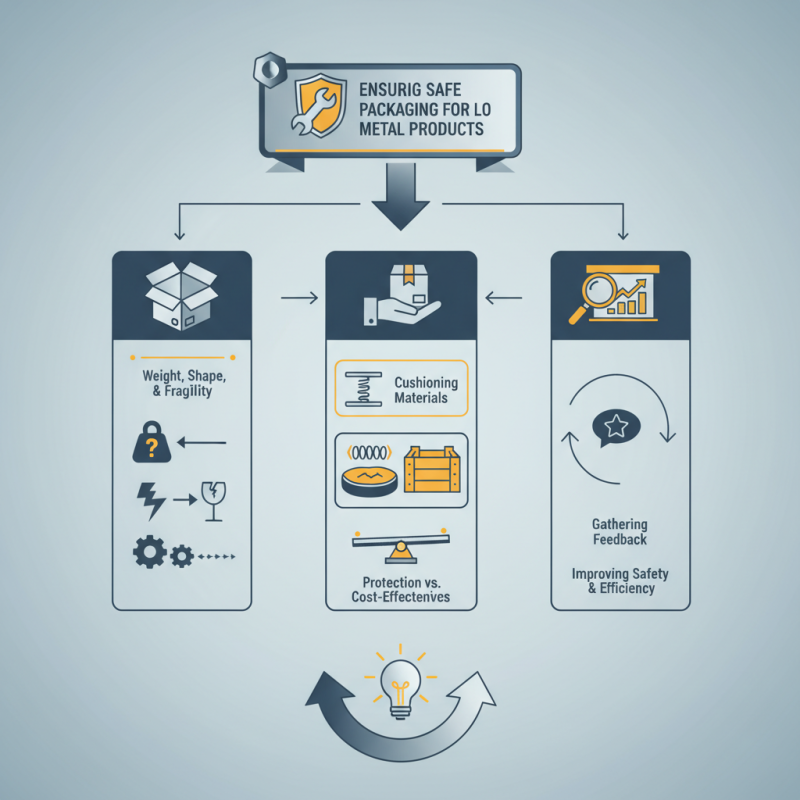
Factors such as weight, shape, and fragility of metal products are important. Packing methods can vary significantly—some may rely on cushioning materials, while others will need sturdy crates. It's essential to find the right balance between protection and cost-effectiveness. Failure to do so can result in significant losses and customer dissatisfaction.

Moreover, companies should continually assess their packaging processes. Gathering feedback from customers can identify weaknesses. This reflection can spur improvements in safety and efficiency. Thus, mastering "how to ensure safe packaging for custom metal products" is not only about current practices but also about adapting and evolving as needs change.
How to Ensure Safe Packaging for Custom Metal Products?

Identifying the Right Packaging Materials for Metal Products

When selecting packaging materials for custom metal products, it’s crucial to consider durability and protection. Metals can be prone to scratching, denting, or corroding during transport. Using materials like foam inserts or custom-shaped cardboard can provide an added layer of cushioning. These options help secure the product and prevent movement within the packaging.

Additionally, moisture control is essential. Metals can rust if exposed to humidity. Using desiccants within the packaging can absorb moisture effectively. Plastic wraps can also shield the surface from humidity. Consider using biodegradable options as well. They're becoming more available and can align with sustainable practices.

Choosing the right packaging is a process. While many materials may seem effective, testing is vital. A poor choice can lead to damage and increased costs. Evaluate how the packaging performs against various elements. It's important to look back at what worked and what didn’t. Adjustments may be necessary with each shipment. This reflective approach can enhance the safety of your custom metal products in the long run.

Safe Packaging Materials for Custom Metal Products

This chart illustrates the different packaging materials used for custom metal products, highlighting their usage percentage. Proper selection of packaging materials is crucial for ensuring the safety and integrity of metal products during transportation and storage.

Understanding the Importance of Protective Packaging Techniques

Protective packaging for custom metal products is vital. According to a recent industry report, nearly 25% of metal goods are damaged during transit due to inadequate packaging. Metal products can be heavy and sharp, making them susceptible to scratches and dents. Effective packaging techniques serve to minimize these risks.

Using cushioning materials, such as foam or bubble wrap, can significantly reduce damage. The right packaging protects against vibrations and impacts. A study indicates that 70% of companies that invest in better packaging report fewer returns due to item damage. It's essential to tailor packaging based on the product's specifications. For instance, sharp edges might require additional protective layers.

Many businesses overlook the importance of packaging design. A poorly designed package can lead to failures. Regular assessments of packaging materials and techniques are necessary. Just because a method worked previously does not guarantee future success. Adapting to new data and trends can lead to improved safety in transit.

Incorporating Shock Absorption and Cushioning in Packaging Design

When designing packaging for custom metal products, incorporating shock absorption and cushioning is essential. Metal items are often heavy and can be easily damaged during transport. Using materials like foam or air-filled cushions can significantly reduce the risk of impact damage. These materials compress upon impact, absorbing shocks that could otherwise lead to dents or scratches.

It's important to consider the specific dimensions and weight of the metal products when selecting these cushioning solutions. Every product has unique shapes, which might require custom-sized foam inserts to ensure a snug fit. However, achieving the right balance in cushioning can be challenging. Too much padding can increase shipping costs and occupy unnecessary space.

Additionally, regularly reassessing the effectiveness of chosen materials is crucial. Over time, some cushioning materials may degrade or lose their effectiveness. A continuous evaluation can help identify whether the packaging method still meets safety standards. Failing to adapt could lead to costly damages and dissatisfaction among customers, highlighting the need for ongoing reflection and improvement in packaging design.

How to Ensure Safe Packaging for Custom Metal Products?

Packaging Material Shock Absorption Rating Cushioning Method Environmental Impact Cost per Unit
Foam Inserts High Custom-Molded Foam Low $2.00
Bubble Wrap Moderate Standard Layering Medium $0.50
Corrugated Boxes Low Cushioned Layers High $1.00
Air Cushions High Inflated Pouches Medium $1.50
Recycled Paper Moderate Wrap and Fill Low $0.75

Ensuring Compliance with Shipping Regulations for Metal Items

When shipping custom metal products, compliance with shipping regulations is paramount. Different countries have varied rules governing the transport of metal items, often emphasizing safety and environmental concerns. According to the International Metal Packaging Association, failure to adhere to these regulations can lead to significant fines and delays. Moreover, uncompliant packaging can cause damage, jeopardizing the integrity of your metal products.

Tips: Always check region-specific regulations before shipping. This proactive step can save you time and resources. Understanding the regulatory landscape often involves reviewing guidelines from transport authorities and environmental agencies. Regular training for your logistics team about these changes is crucial.

Additionally, consider using packaging materials that meet safety standards. For example, cushioning materials should be free from harmful substances and capable of withstanding the weight of metal items. According to Statista, about 30% of returns in the metal shipping sector are due to inadequate packaging. This statistic highlights the need for rigorous attention to detail in your packaging strategy.

Furthermore, ensure proper labeling on packages. Detailed descriptions about the contents help customs officials efficiently process shipments. Transparency reduces the chances of your items being flagged, leading to unnecessary delays. Review your labeling system regularly to maintain compliance.

Best Practices for Labeling and Handling Custom Metal Packages

Proper labeling is essential for custom metal products. Clear, visible labels help in identifying contents quickly. Include the product’s weight, dimensions, and any hazards. This information aids in careful handling. Use durable materials for labels. They should withstand wear and environmental factors. Poor labeling can lead to accidents and damage.

Handling requires attention to detail. Workers must be trained for specific tasks. Inspect packages for damages before transport. A damaged package can compromise safety. Ensure employees understand the importance of using protective gear. Shifting or dropping metal packages can cause injuries. A robust handling protocol minimizes risks.

Consider the environmental factors during packaging as well. Metal products often bear weight and withstand conditions. Adjust the packaging accordingly. Think about humidity, temperature, and shock. These factors affect product integrity. Reflection on current practices can lead to improvements. What works today might not be adequate tomorrow.

FAQS

: What should I consider when choosing packaging for metal products?

: Focus on durability and protection to prevent scratches and dents during transport.

Why is moisture control important for metal packaging?

Metals can rust when exposed to humidity. Use desiccants to absorb moisture.

How can I ensure my packaging is effective?

Testing materials is vital. Regularly reflect on what worked and what didn’t.

What are the risks of non-compliance in metal shipping?

Non-compliance can lead to fines, damages, and shipment delays.

How can I stay informed about shipping regulations?

Always check regional regulations and train your logistics team regularly.

What labeling practices should I follow?

Use clear, durable labels that include weight, dimensions, and hazards.

Why is handling important for metal packages?

Proper handling minimizes risk of injury and damage during transport.

How do environmental factors affect metal packaging?

Consider humidity, temperature, and shock; they can compromise product integrity.

Is it necessary to adjust packaging for every shipment?

Yes, reflect on past shipments to make necessary adjustments for improvement.

What is an easy way to avoid packaging-related returns?

Ensure your packaging is robust to withstand the weight and conditions during transport.

Conclusion

When considering how to ensure safe packaging for custom metal products, it is essential to start by identifying the right packaging materials that will adequately protect the items during transit. Durable materials that resist environmental factors should be prioritized to maintain the integrity of the metal products. Understanding the importance of protective packaging techniques, such as using layers of cushioning, also plays a crucial role in minimizing damage from shocks and vibrations.

Incorporating shock absorption and effective cushioning in the packaging design can further enhance protection. Additionally, ensuring compliance with shipping regulations for metal items is vital to avoid potential legal issues. Lastly, adhering to best practices for labeling and handling custom metal packages will facilitate proper care during transport and delivery, ultimately safeguarding the products for their recipients.

Madeline

Madeline

Madeline is a dedicated marketing professional with a wealth of expertise in our company's core offerings. With a keen understanding of the industry, she brings a unique perspective to her role, consistently delivering high-quality content that highlights the superior aspects of our products. As......