The landscape of custom promotional metal products is evolving rapidly. "What is the future trend of custom promotional metal products?" is a question many brands are asking. Industry expert Dr. Alan Wright once stated, "Sustainability is not just a trend; it’s the future of promotional products." This insight reflects the growing demand for eco-friendly materials and processes in production.
As we look forward, personalization will take center stage. Businesses increasingly want to connect with their clients on an individual level. This connection goes beyond mere logos and slogans. It demands unique designs that resonate personally. High-quality metals, such as stainless steel and aluminum, will be favored for their durability and aesthetic appeal.
Technological integration is another vital element. Smart items and QR codes will empower brands to provide engaging experiences. However, not every trend will stick. Some ideas may seem innovative yet fail to resonate with consumers. Continual reflection on these trends is paramount for success. Companies must remain vigilant to adapt as consumer preferences shift. The future promises exciting possibilities, but also challenges that require thoughtful navigation.
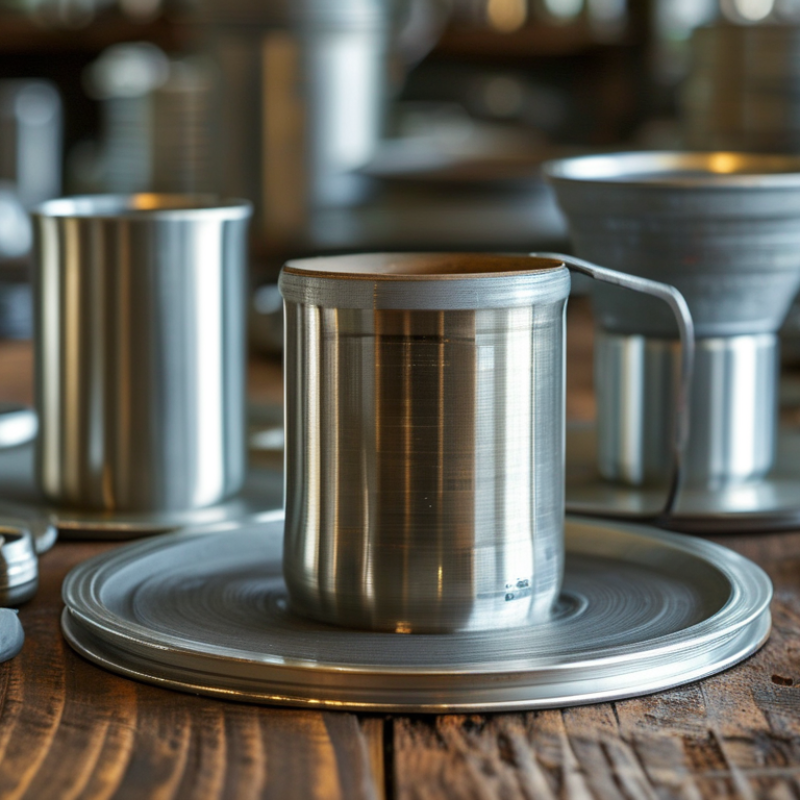
The landscape of custom promotional metal products is shifting. Emerging materials are playing a pivotal role. For instance, stainless steel remains a staple, but there are exciting alternatives like aluminum and titanium. Each material offers unique attributes that can enhance branding efforts. Aluminum is lightweight yet durable, making it ideal for promotional items that need to be both stylish and practical.
Recycled metals are gaining traction, pointing towards sustainability. This trend reflects a growing consumer awareness about environmental responsibility. Companies that incorporate these materials often resonate better with eco-conscious customers. However, transitioning to recycled metal can pose challenges. Manufacturers may need to adjust processes to maintain quality.
While innovations are promising, they come with uncertainties. New materials might not always meet expectations in durability or finish. Businesses should test prototypes thoroughly. Balancing innovation with reliability is crucial. Not every emerging material will suit every promotional item, and careful consideration is essential.
In recent years, eco-friendly promotional items have surged in popularity. Businesses recognize the need for sustainable practices in creating these products. Custom promotional metal items, in particular, are making a significant impact. Many companies have begun to prioritize materials that minimize environmental harm.
A focus on recycled metals is one such trend. Using recycled materials reduces the carbon footprint of production. Furthermore, businesses that adopt these practices often experience increased customer loyalty. Eco-conscious consumers appreciate brands that align with their values. However, the challenge lies in ensuring that these products maintain quality and aesthetic appeal. It can be difficult to balance sustainability with durability and design finesse.
The demand for transparent sourcing is also rising. Customers want to know where materials originate and the production methods involved. This trend requires brands to take a closer look at their supply chains. While making strides toward sustainability, some companies may struggle with compliance and certification processes. It’s essential to address these issues thoughtfully. Engaging in ethical practices not only benefits the planet but also enhances brand integrity.
Personalization is the new frontier in custom metal products. Tailoring designs to suit individual preferences has gained immense popularity. Businesses are increasingly leveraging data to understand customer preferences. This approach enhances engagement and fosters brand loyalty.
Tips for successful personalization: Focus on meaningful designs that resonate with your audience. Use high-quality materials to reflect a premium feel. Analyze customer data to discover trends and preferences. This can guide your design process effectively.
Embracing trends can lead to unexpected challenges. Over-personalization might alienate some customers. It’s essential to strike a balance. Not every target audience segment values the same customization level. Continuously seek feedback and adjust your offerings accordingly to meet diverse tastes.
The landscape of custom promotional metal products is rapidly evolving, driven by technological innovations. Automation is becoming a cornerstone for production efficiency. Recent industry reports suggest that automation can boost manufacturing productivity by over 30%. Automated processes reduce human error and enhance quality control, making them appealing for companies seeking reliable products.
Additive manufacturing, or 3D printing, is also gaining traction. With 3D printing, companies can produce intricate designs that were previously impossible with traditional methods. This innovation lowers costs for small production runs, allowing brands to experiment without hefty investments. A survey indicates that over 57% of manufacturers consider additive processes a game changer.
However, challenges remain. Not all companies have adapted to these technologies. Training staff and integrating new equipment can be costly and time-consuming. Some businesses find themselves lagging, unable to fully harness these advancements. Despite the hurdles, embracing these innovations is crucial for staying competitive. The future of promotional metal products hinges on how well companies navigate these technological shifts.
The market for custom promotional metal products is experiencing significant growth. By 2025, projections indicate a substantial increase in demand. Industries are increasingly leaning towards durable, eco-friendly products. Metal items are not only sturdy but also have a premium feel. This shift highlights a trend toward quality over quantity. Consumers are looking for products that convey value, enhancing brand perception.
Customization is becoming essential. Brands want unique designs that resonate with their target audience. This trend is visible in various sectors, including tech and retail. Companies are investing in innovative techniques to create bespoke metal products. However, challenges remain. Balancing creativity and production costs can be difficult. Finding the right materials while maintaining affordabilities often requires careful consideration.
Sustainability is another vital aspect influencing market growth. Many consumers prefer products made with environmentally friendly materials. This shift opens up new avenues for manufacturers. They must adapt to these preferences while ensuring quality and reliability. The landscape is evolving, and staying informed will be crucial for success in this competitive market.
| Year | Market Size (Million USD) | Growth Rate (%) | Key Trends |
|---|---|---|---|
| 2021 | 500 | 5.0 | Increased demand for eco-friendly materials |
| 2022 | 525 | 5.0 | Rise in personalized products |
| 2023 | 550 | 4.8 | Growth in e-commerce promotional products |
| 2024 | 580 | 5.5 | Technological innovations in manufacturing |
| 2025 | 610 | 5.2 | Focus on multi-functionality and usability |
: Stainless steel is common, but aluminum and titanium are gaining attention for their unique benefits.
Recycled metals enhance sustainability, appealing to eco-conscious consumers and reflecting environmental responsibility.
Manufacturers may need to modify their processes to ensure that product quality remains high.
Focus on meaningful designs, use quality materials, and analyze customer data to tailor offerings.
Over-personalization may alienate some customers, so balance is essential in meeting diverse preferences.
There is a shift toward durable, eco-friendly products with a focus on quality and customization.
Many consumers prefer eco-friendly products, influencing businesses to adopt sustainable practices in manufacturing.
Balancing creativity with production costs requires careful consideration and innovation.
Data helps businesses understand customer preferences, enhancing engagement and fostering brand loyalty.
Continuously adapt to market trends, customer feedback, and sustainability preferences to meet evolving demands.
The future trend of custom promotional metal products is being shaped by several key factors. Emerging materials are revolutionizing the design and functionality of these products, offering enhanced durability and aesthetic appeal. Additionally, sustainability is becoming crucial, with increasing demand for eco-friendly promotional items that resonate with environmentally conscious consumers. Personalization trends are also on the rise, driven by data-driven insights that allow businesses to create tailored products that meet individual customer preferences.
Technological innovations are further enhancing production efficiency, enabling quicker turnaround times and reduced costs, which can lead to increased accessibility for businesses of all sizes. As we look ahead to 2025, market growth projections indicate a robust demand for custom promotional metal products, highlighting their enduring value in marketing strategies.

TOP Crafts