A dog tag can help a lost pet get home, but every engraved detail deserves thought. A name and reachable phone number may be enough. Your full home address usually is not necessary, and sharing it can expose more than you intend. How to customize dog tags with personal information safely starts with choosing details that help a finder contact you without revealing your routine or location. Keep it clear. Keep it useful. If your dog has a medical need, consider a brief note, such as “Needs medication,” and discuss sensitive details with your veterinarian.
Choose a tag that suits your dog’s size and activity. A large, noisy tag may bother a small dog, while tiny lettering can be hard to read. Check that the engraving is deep and legible, and confirm the tag stays attached to a well-fitted collar. Use a phone number you regularly answer, and review the information when it changes. A QR-code tag can offer extra details, but make sure its basic contact method still works without a scan. Ask the seller about materials and durability, especially if your dog swims or plays outdoors. No tag is perfect. Mine might still be overlooked in a rush. A quick fit check and occasional review can make this small safety tool more dependable.
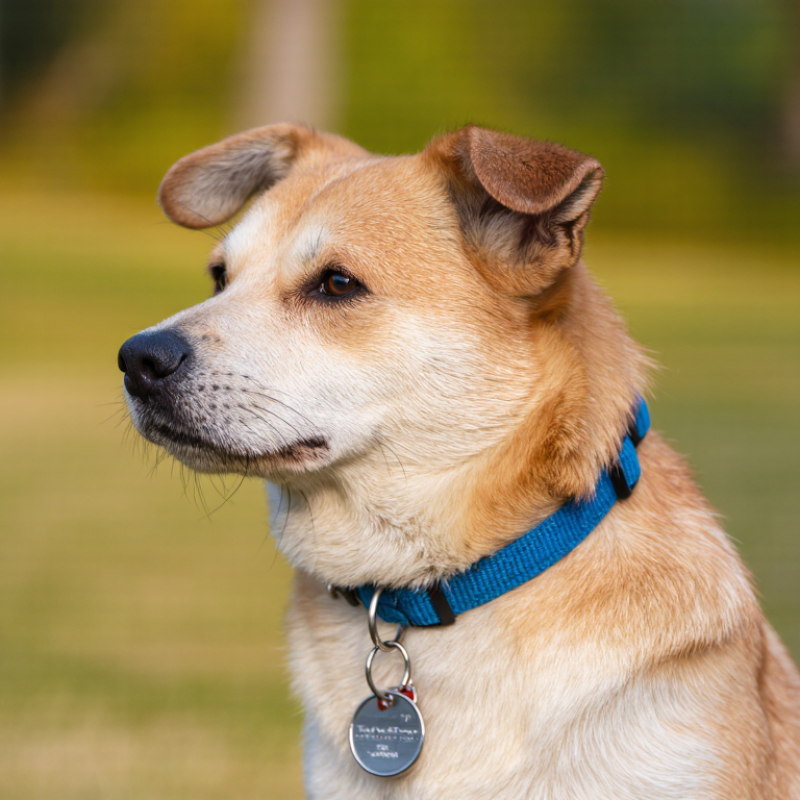
A dog tag should answer one urgent question: how can someone reach you if your dog is found? Put a current phone number on it, with a clear label such as “Call.” Use a number you can answer or check regularly. Keep it readable. A tag crowded with tiny lettering may hold more information but help less in a stressful moment.
Your dog’s name is useful but optional. Some owners include it; others prefer not to, since a stranger could call the dog by name. Consider your comfort and your dog’s behavior. If your pet has a critical condition or needs prompt care, add a brief, factual note, such as “Needs medication.” Avoid trying to fit a full medical history onto a small tag. A second contact can help, but only if that person agrees and will respond.
A simple “Microchipped” note may prompt someone to have the dog scanned, but it does not replace a working phone number. You usually do not need to print a home address or chip number on the tag; keep registry details current instead. Check the engraving after wear, and replace a tag if letters become hard to read. It is tempting to include every detail. I would rather leave out one extra fact than make the contact number difficult to see.
| # | Customization approach | Useful information to include | Example engraving | Safety and privacy tip |
|---|---|---|---|---|
| 1 | Put a reachable phone number first | A current phone number that is likely to be answered; add a second number if space allows. | CALL: 555-010-2048 ALT: 555-010-8831 |
Check the numbers regularly and use a number whose owner has agreed to receive calls about the dog. |
| 2 | Include the dog’s name, but keep contact details prominent | The dog’s name can help a finder communicate calmly; a phone number is usually more useful for getting the dog home. | MILO CALL 555-010-2048 |
Avoid letting decorative text or a large name crowd out the number a finder needs to call. |
| 3 | Add a brief, important medical alert when appropriate | A concise alert about a condition or urgent care need, if it could help someone respond safely. | DIABETIC CALL OWNER |
Keep wording short and accurate. A tag cannot replace veterinary records, medication instructions, or professional care. |
| 4 | Use a clear instruction for behavior or handling needs | A short caution that helps a finder avoid a predictable risk, such as fear of strangers or a need for space. | I’M NERVOUS PLEASE CALL |
Choose calm, specific language. Do not rely on the tag alone to control or safely handle a frightened dog. |
| 5 | Consider a secure alternate contact method | A dedicated email address or other monitored contact option, when it is practical and regularly checked. | FOUND ME? [email protected] |
Use an address that does not reveal unnecessary personal details, and make sure someone monitors it. |
| 6 | Limit sensitive personal information | Usually, a first name or household name and a contact method are enough; a full home address is often unnecessary. | FAMILY NAME CALL 555-010-2048 |
Avoid engraving financial details, access codes, or information that could expose where you live or when you are away. |
| 7 | Make the engraving readable and keep it current | Use a simple layout with legible characters, then update the tag when contact or care information changes. | MILO 555-010-2048 PLEASE CALL |
Check that the engraving remains readable and that the tag is securely attached. An ID tag complements, but does not replace, required identification such as a registered microchip where applicable. |
Stainless steel usually handles moisture and daily knocks well. Anodized aluminum is lighter, while brass may change appearance with use. No material is perfect.
Use your dog’s name and a current phone number. Clear, simple lettering is easier to read than several cramped lines. Check every character.
Write the details on paper and view them from arm’s length before ordering. Afterward, inspect the tag in daylight. If letters blur together, simplify the layout.
Keep a readable phone number as backup. Some finders may not have a working camera or data connection. Technology can fail.
Include contact details you monitor and a brief care note if needed. Avoid listing your home address or daily route. Scan the code in daylight and shade.
Use the identification ring, not a thin decorative loop. Pull the tag firmly and check that it does not catch on fur, straps, or crate bars.
Check it monthly for sharp edges, loose rings, corrosion, dirt, or faded text. Give the clip a gentle tug when cleaning the collar. Small details matter.
Attach the tag where it stays visible and does not rub against a buckle. Compare its contact details with your current information. One missed digit matters.
How to customize dog tags with personal information safely starts with choosing details that can help someone reunite you with your dog without exposing more than necessary. Include your dog’s name and a reliable way to contact you, such as a phone number. Consider whether an address or other personal details are truly needed, and avoid adding information that could create privacy concerns.
Choose a sturdy tag with engraving that remains clear and easy to read, then check that the material and edges are comfortable for your dog. A QR code can offer another way to share contact details, but make sure its information is current and that you understand what it reveals. Attach the tag securely to a well-fitting collar, inspect it regularly for wear or damage, and verify that every letter and number is accurate.

 TOP Crafts