How to Safely Customize Dog Tags with Personal Information?

Time:2026-05-25 Author:Sophia
0%

When considering how to customize dog tags with personal information safely, it’s essential to prioritize your pet’s security. Dog tags serve a practical purpose, offering vital information if your dog gets lost. However, displaying personal details requires careful thought. You want to avoid unnecessary risks.

Many pet owners feel compelled to include their address, but this could expose you to potential dangers. Instead, consider using just a phone number or email address. Choosing the right material is equally important. Opt for durable metals that won’t easily wear out over time.

Customization options are plentiful, yet not all are equally secure. Reflect on what information you truly need. Each decision shapes your dog’s safety. After all, a responsible owner considers not just immediate needs but also long-term implications. Balancing personalization and privacy is crucial in this process.
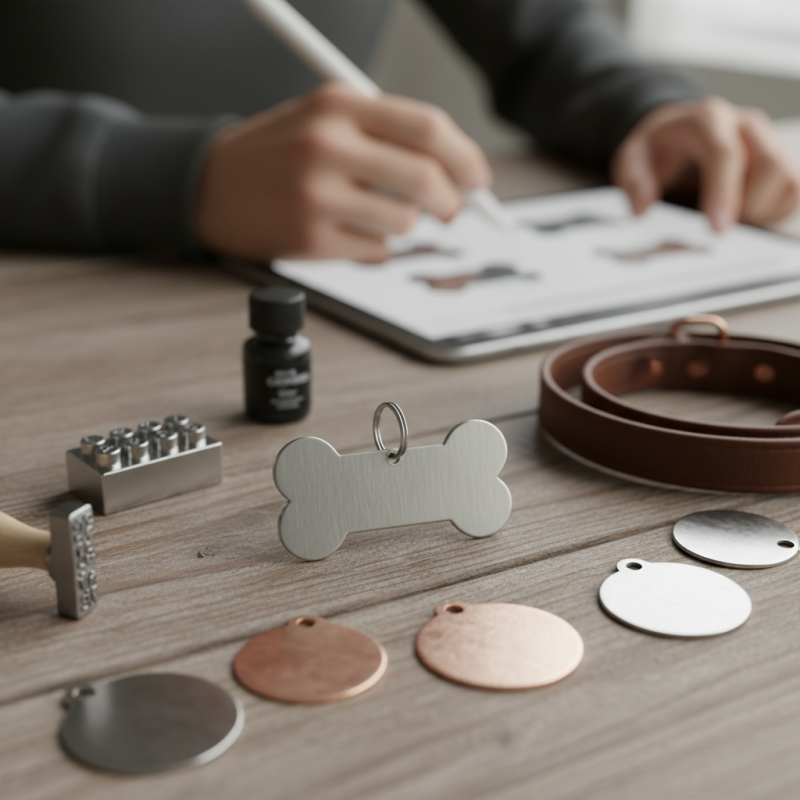
How to Safely Customize Dog Tags with Personal Information?

Choosing the Right Material for Dog Tags

When choosing the right material for dog tags, consider durability and comfort. Metal tags are popular. They withstand harsh weather and wear. Stainless steel and aluminum are common choices. These materials can endure scratches and impacts. However, they can be heavy for small dogs. Lightweight options like plastic offer comfort. But they may not last as long.

Another factor is the tag's finish. A smooth surface allows clear engraving. This makes essential information visible. Yet, rough finishes can hide details. Ensure the engraving is deep enough to resist fading over time. It’s vital that the tag remains legible. An unreadable tag defeats its purpose.

Think about the aesthetic, too. Some materials can be customized with colors or patterns. This adds a personal touch. However, customization may affect the tag's durability. Always balance style with functionality. Reflect on how your choices impact your pet's safety.

Essential Information to Include on Dog Tags

Personalized dog tags can be a valuable tool for pet safety. Including essential information is crucial. Start with your dog’s name. It forms a connection between the pet and the finder. Next, add your phone number. This ensures a prompt return if your dog gets lost. Consider including your address or city, but keep it concise.

Limit the information to what is necessary. Too much detail may confuse or overwhelm. Avoid sensitive data, like your full address. This keeps your pet safer. Some owners choose to add medical information, like allergies. This can be life-saving in emergencies.

Reflect on what details are most important. While it’s tempting to add more, simplicity works best. Test different layouts to find the most readable design. Remember, the main goal is to make your pet easy to identify and return home safely. Be mindful of how you customize; clarity should always come first.

Designing Dog Tags for Visibility and Durability

When designing dog tags, visibility and durability are key factors. A well-designed tag should be easily readable from a distance. Choose bold fonts that stand out against the background. Bright colors can also enhance visibility. However, ensure the contrast between text and background is optimal. Avoid overly complicated designs that can make information difficult to read. Keep it simple yet effective.

Durability is another critical aspect of dog tag design. The material should withstand daily wear and tear. Stainless steel is a popular choice due to its resistance to rust and scratching. Consider coatings that can protect the surface, adding an extra layer of defense against the elements. Remember, tags exposed to moisture may degrade faster. Regularly inspect the tag for wear and replace it when necessary.

Customization can create a personal connection but comes with challenges. For example, adding too much information can clutter the design. Essential contact details should be prioritized. Think about what’s truly important. Opting for a double-sided tag can provide more space, but it may sacrifice visibility. Reflect on the balance between personalization and practicality. Making the right choices enhances the usefulness of the tag significantly.

Best Practices for Adding Personal Information

When customizing dog tags, it’s crucial to consider the personal information you include. According to a report from the American Kennel Club, 1 in 3 pets will go missing at some point in their lives. This emphasizes the importance of effective identification. However, while it’s tempting to add anything that could help reunite you with your pet, less can be more. Focus on essential information like your dog's name, your phone number, and any medical needs.

Adding excessive details can compromise safety. It’s essential to avoid information that could lead to unwanted approaches, such as home addresses. A study by PetFinder indicates that tags displaying only a phone number are 75% effective in reuniting lost pets with their owners. This highlights the balance needed in sharing enough info without overexposing personal data.

While these methods are effective, it’s worth reflecting on how tags can wear or be lost. Regularly checking the tag for wear or updates is necessary. Many pet owners overlook this. Regular maintenance can enhance the reliability of identifying your pet. Consider a tag that can easily adapt to changes in contact details as your circumstances evolve.

Tips for Securing Dog Tags to Your Pet's Collar

When securing dog tags to your pet's collar, choosing the right method is crucial. Many owners opt for metal rings, but these can wear out over time. Consider using a sturdy clip or a zip tie, which can provide a more reliable attachment. Regularly check the attachment points to ensure they are still secure. You want to prevent the tag from falling off during play or walks.

Remember, the collar itself plays a role in tag security. A well-fitted collar should be snug but not too tight. Your dog should be able to move comfortably without feeling restricted. It's a good practice to periodically reassess the collar's fit as your pet grows or gains weight.

Dog tags serve a vital purpose. Yet, owners often overlook their significance. In cases where pets get lost, a securely attached tag can be the difference between a quick reunion or a long search. Reflecting on the importance of these simple details can lead to better safety measures for your furry companion.

Dog Tag Customization Safety Tips

FAQS

: What materials are best for dog tags?

: Metal tags are durable. Common choices are stainless steel and aluminum. Lightweight plastic is more comfortable, but less durable.

Why is tag engraving important?

Deep engraving makes information legible. Smooth surfaces allow clear engraving. Avoid rough finishes that hide details.

What essential information should I include on a dog tag?

Start with the dog’s name and add your phone number. Consider including your city. Keep it concise to prevent confusion.

How can I ensure my dog tag is visible?

Use bold fonts and bright colors. Ensure high contrast between text and background. Avoid complicated designs that impede readability.

How do I balance customization and functionality?

Keep essential details prioritized. Focus on clarity over aesthetics. Avoid cluttering the design with too much information.

How often should I check my dog tag for wear?

Regularly inspect it for scratches and rust. Tags exposed to moisture degrade faster. Replace them when necessary to maintain safety.

Can I include medical information on a dog tag?

Yes, adding allergies or medical conditions can be life-saving. Keep the details simple to enhance readability.

Why should I limit the information on the tag?

Too much information can overwhelm. Simplicity ensures quick identification and easier return if lost.

What should I avoid putting on a dog tag?

Avoid sensitive data like your full address. Inclusion may compromise safety. Keep it focused on essential contact details.

Does the design of the tag affect its effectiveness?

Yes, an effective design enhances visibility and readability. Poor design choices can reduce its usefulness in emergencies.

Conclusion

Customizing dog tags with personal information is essential for pet safety, and understanding how to do it safely is crucial. First, it’s important to choose the right material for dog tags—durable metals or high-quality plastics can withstand wear and tear while maintaining legibility. Essential information to include on the tags typically involves the pet’s name, your contact information, and any pertinent medical information.

When designing dog tags, visibility and durability should be top priorities; bright colors and clear fonts can make the tags easily readable. Implement best practices for adding personal information to ensure it is accurate and up-to-date. Lastly, securing the tags properly to your pet's collar ensures they won’t fall off during play or outdoor activities. Following these guidelines will enable pet owners to understand how to customize dog tags with personal information safely, providing peace of mind for both pets and their owners.

Sophia

Sophia

Sophia is a dedicated marketing professional with an exceptional depth of knowledge about her company's products and services. With a keen understanding of market trends and customer needs, she crafts insightful blog posts that not only inform but also engage readers, enriching the company’s online......